Tesshin used his talk this week to discuss the 7th Koan of the Mumonkan…
A monk said to Jõshû, “I have just entered this monastery.
Please teach me.”
“Have you eaten your rice porridge?” asked Jõshû.
“Yes, I have,” replied the monk.
“Then you had better wash your bowl,” said Jõshû.
With this the monk gained insight.
A common interpretation of this Koan is that we should always be in the present and mindful of our everyday activities. While this is good advice, Tesshin challenged us to dig deeper into this Koan. The Gateless Gate is more than superficial advice. It goes to the core of our practice.
To get at the core of this Koan, Tesshin pointed out that we need a bit of background on Joshu and monastic life he experienced. Briefly, Joshu was a Chan(Zen) master practicing in China who lived from 778-897 CE. During this time, novices had to work many years with junior teachers before they would ever have access to a master like Joshu.
This is our first clue in this case. How does a novice monk get to address the master? We could be stubborn, and assume it was “luck.” But why would we treasure a Koan based on luck?? As such, we must assume that this monk is not so junior, but rather already has quite a bit of attainment. If this is true, Joshu must have a deeper message for this senior monk than simply eating rice porridge and cleaning his bowl. That is our second clue! Also, why would such simple advice produce Kensho? (awakening) — our third clue!
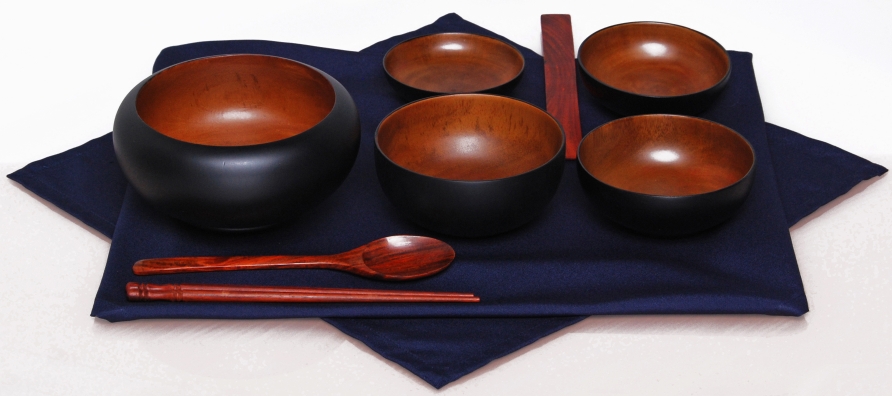
Again, we have to again understand monastic life to get at this. Meals in monasteries are not simply a meal, but a liturgy which focuses on and strengthens practice and understanding. In Japanese monasteries the formal meal is called Oryoki and are quite elaborate. During this ceremonial meal, bowls and utensils are carefully laid out, food is consumed, and bowls are cleaned. In other words, the meal can never finish without clean bowls. So, how could Joshu tell the monk to clean his bowls if they are already clean?? These are the “Turning words” of this Koan! Stop and think for a second …. What does it mean to wash a bowl which must have already been washed?
We can look at Mumon’s commentary …
“When he opens his mouth, Jõshû shows his gallbladder. He displays his heart and liver.”
This means that Joshu is expressing the raw truth. He is not playing with words or exchanging simple chit-chat. Again, this clues us in that there is more going on here than the simple injunction of “being present in this moment.”
In case you missed it above, Mumon continues…
Endeavoring to interpret clearly,
You retard your attainment.
Don’t you know that flame is fire?
Your rice has long been cooked
Yes, we know flame is fire and rice has long been cooked. This is the “bonk on the head” telling us to look deeper than the obvious.
So how can we wash an already clean bowl? Ah, now we begin to see that we have a Koan here and not a fortune cookie!! Only now are we truly prepared to enter this Koan.
Tesshin took us through this today not to instruct us on how to penetrate this Koan, but rather to show us how to prepare for a Koan. It was a precious teaching that will save us many hours of useless thinking. It also drives home the point that one cannot do Koan training from the Internet! If one is going to really do this, one needs a qualified teacher!
Leave a Reply